
The Station · Northern Tablelands, NSW
The country and
how we manage it.
At Arrawatta, the cattle and the country are managed together. Our aim is to provide the Native Angus herd with the forage it needs, while giving plants and soils the opportunity to recover through changing seasons.
Explore the station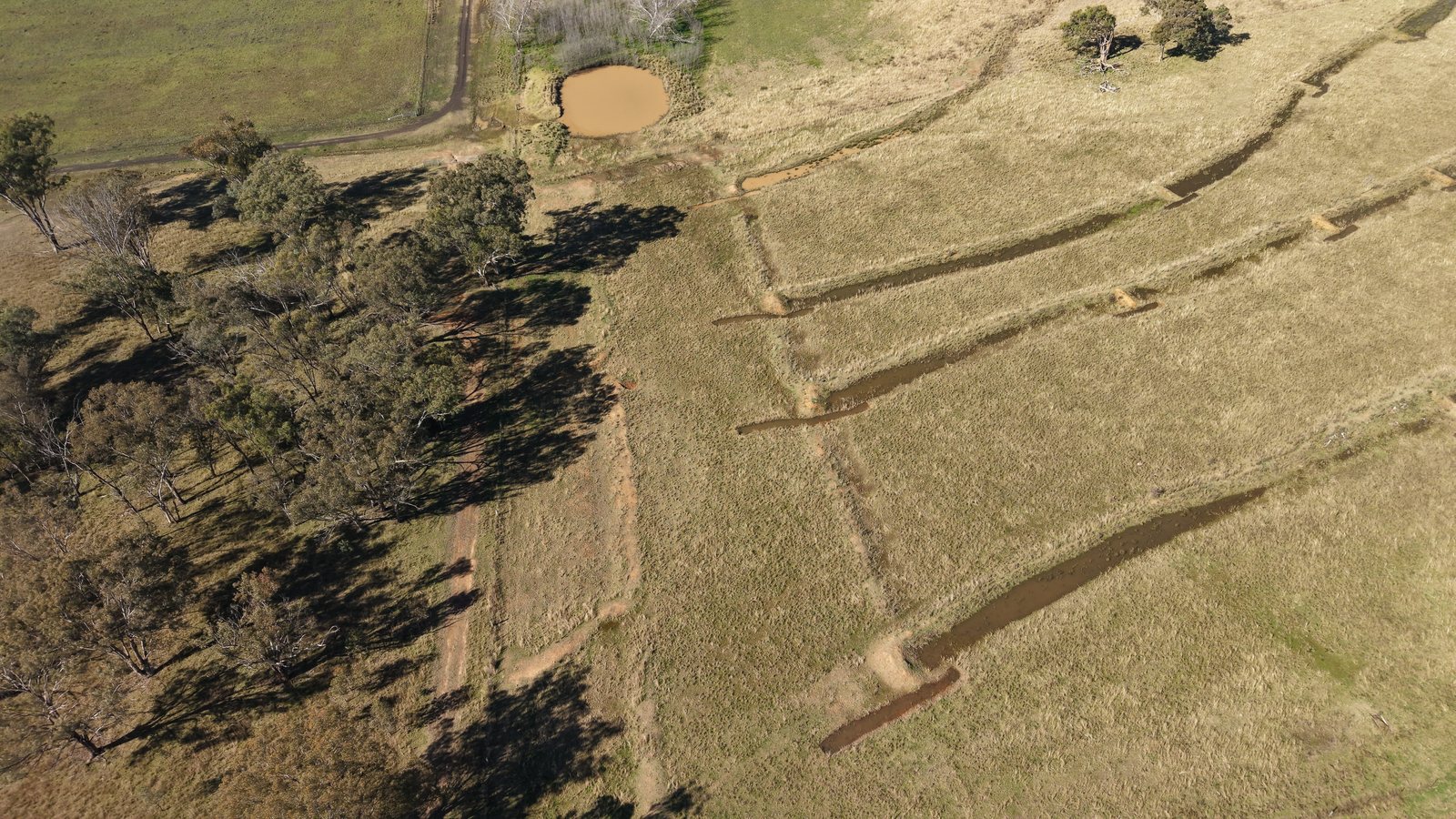
01 / A working landscape
Different country.
Different decisions.
About 1,800 hectares near Inverell, with the Macintyre River running through the property.
Arrawatta, including the Coomerang holding, brings together native and modified pastures, former cropping paddocks and areas of heavy black clay soil. Soil mapping identifies cracking clays across most of the property.
The native pasture country, often higher in the landscape, supports a wide range of grasses and has generally recovered well after dry periods. Former cropping paddocks have been slower to respond.
Those differences shape where we graze, where we rest the country and where we concentrate our rehabilitation work.
02 / Grazing and recovery
Graze what is available.
Leave enough to recover.
Pasture management begins with looking closely.
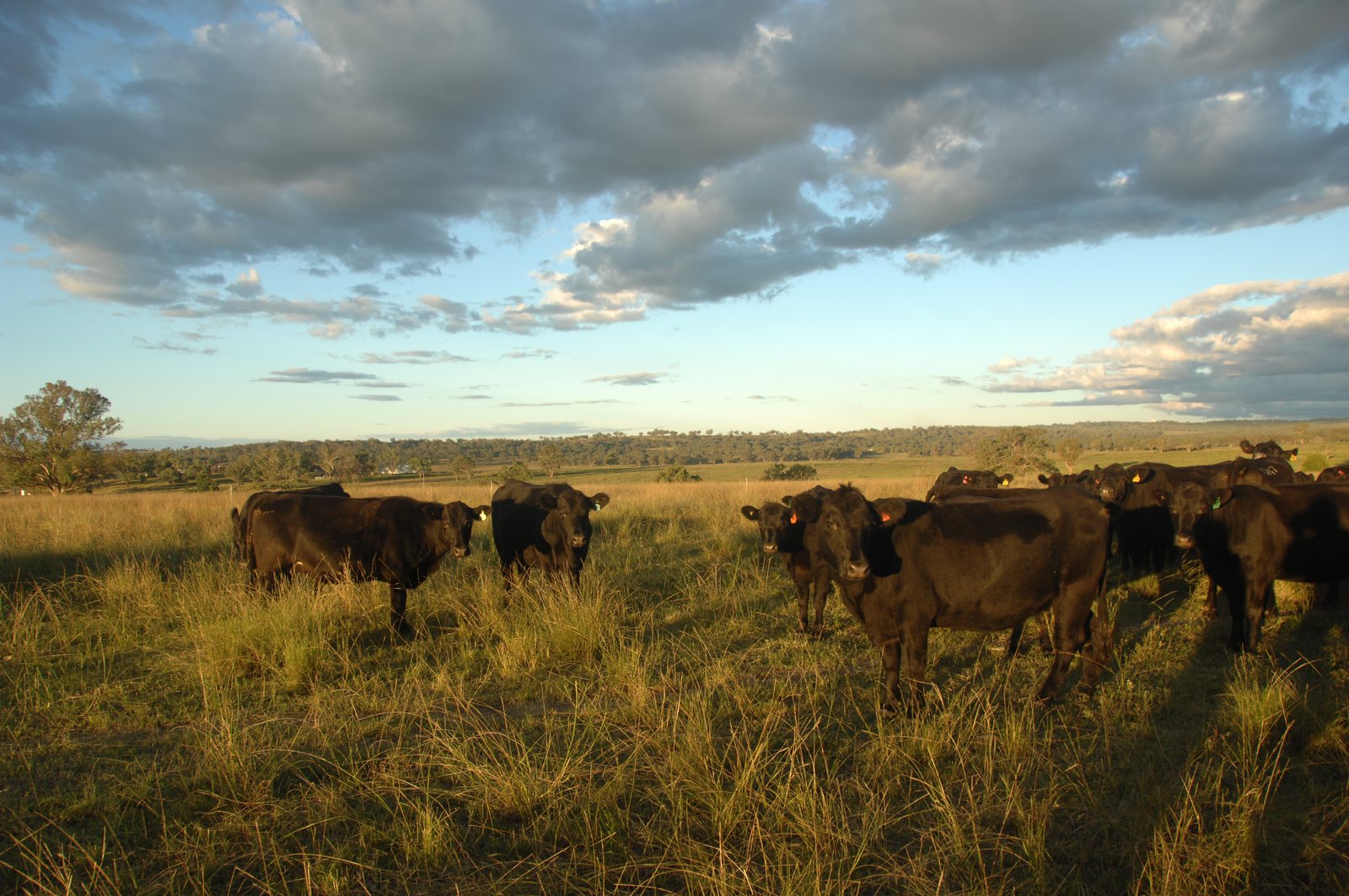
Susan looks at the species present, how actively they are growing, whether cattle are grazing evenly and what will remain when they move on. A simple working principle helps guide the decision.
A third eaten.
Feed for the cattle from the growth available.
A third trampled.
Plant material returned to the soil surface.
A third left standing.
Leaf and cover retained for the growth to come.
Roughly a third of each: a guide Susan works towards, adjusted to the pasture and the season.
The plan meets the paddock
Recovery governs
the return.
Planning looks three to six months ahead, taking account of rolling rainfall, the season and available forage. Cibolab’s five-day pasture-growth updates help track recovery. AgriWebb combines paddock feed estimates with the herd’s Adult Equivalent feed requirements to estimate grazing days. Susan’s inspection of the pasture makes the final decision.
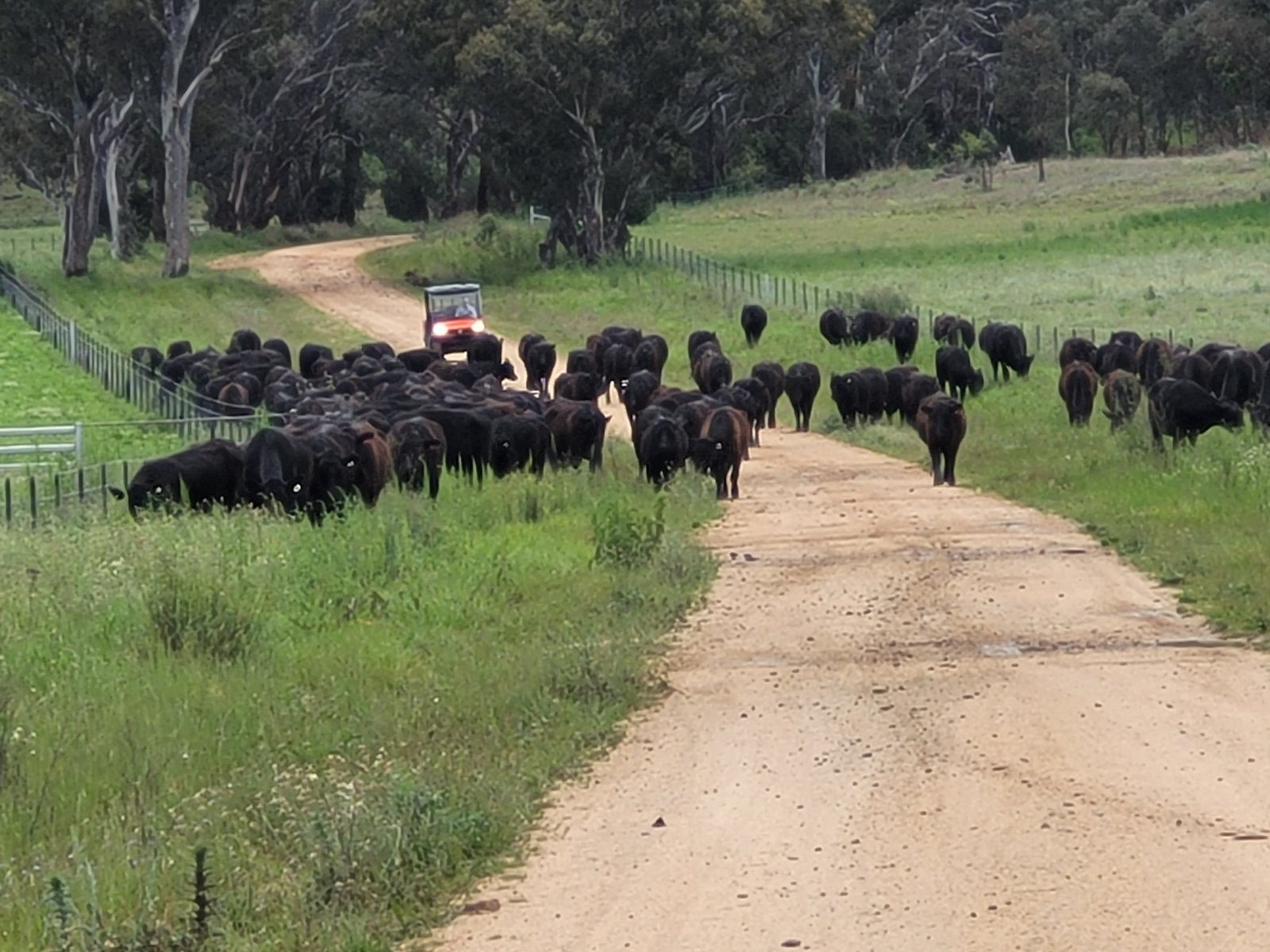
Electric strip fencing, permanent watering points and portable troughs make the moves practical. Finishing cattle may receive fresh grazing once or twice daily. Cows with young calves generally move every two to four days, allowing calves to keep up.
A buggy arriving at the gate is often enough for the cattle to gather. Depending on the season and the work, groups can range from about 200 to 800 head. After each move, water and fences are checked.
The return depends on plant growth, vigour and condition. After drought, new growth may receive only very brief grazing. More regular adaptive multi-paddock rotations resume as enough vegetative growth returns across the station.
03 / Working through drought
Decisions for today.
A herd for tomorrow.
A dry season changes the choices, with consequences well beyond the next rain.
Arrawatta reduces numbers when necessary. But selling too much of the herd can leave too few suitable cattle for Native Angus Beef in future years, affecting continuity for the butchery and its customers.
Retained cattle may be supported with purchased forage hay and copra protein supplements. Animals approaching turn-off and cows raising calves receive particular attention. As conditions tighten, cattle may be brought into two or three larger feeding groups.
Susan selects designated “sacrifice paddocks” where she wants to add organic material. Hay bales are offered in successive locations, spreading trampled forage, dung and urine. Higher positions are often chosen with the intention of also benefiting country below as water moves through it.
After rain, the pasture has looked healthier in some bale-grazed areas.
04 / Water in the landscape
Slowing the flow.
Giving water time.
Some of the work begins with infrastructure already in the ground.
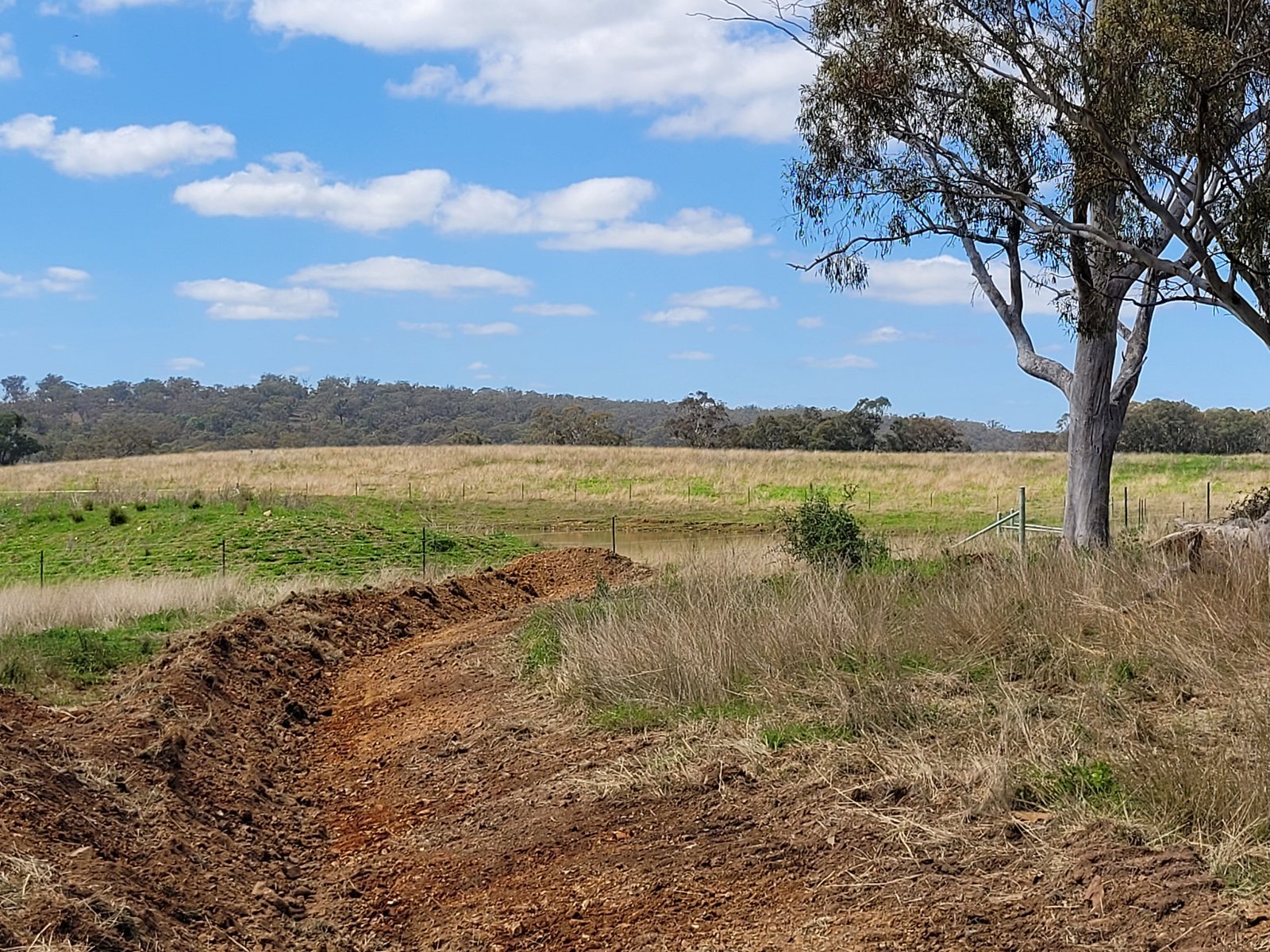
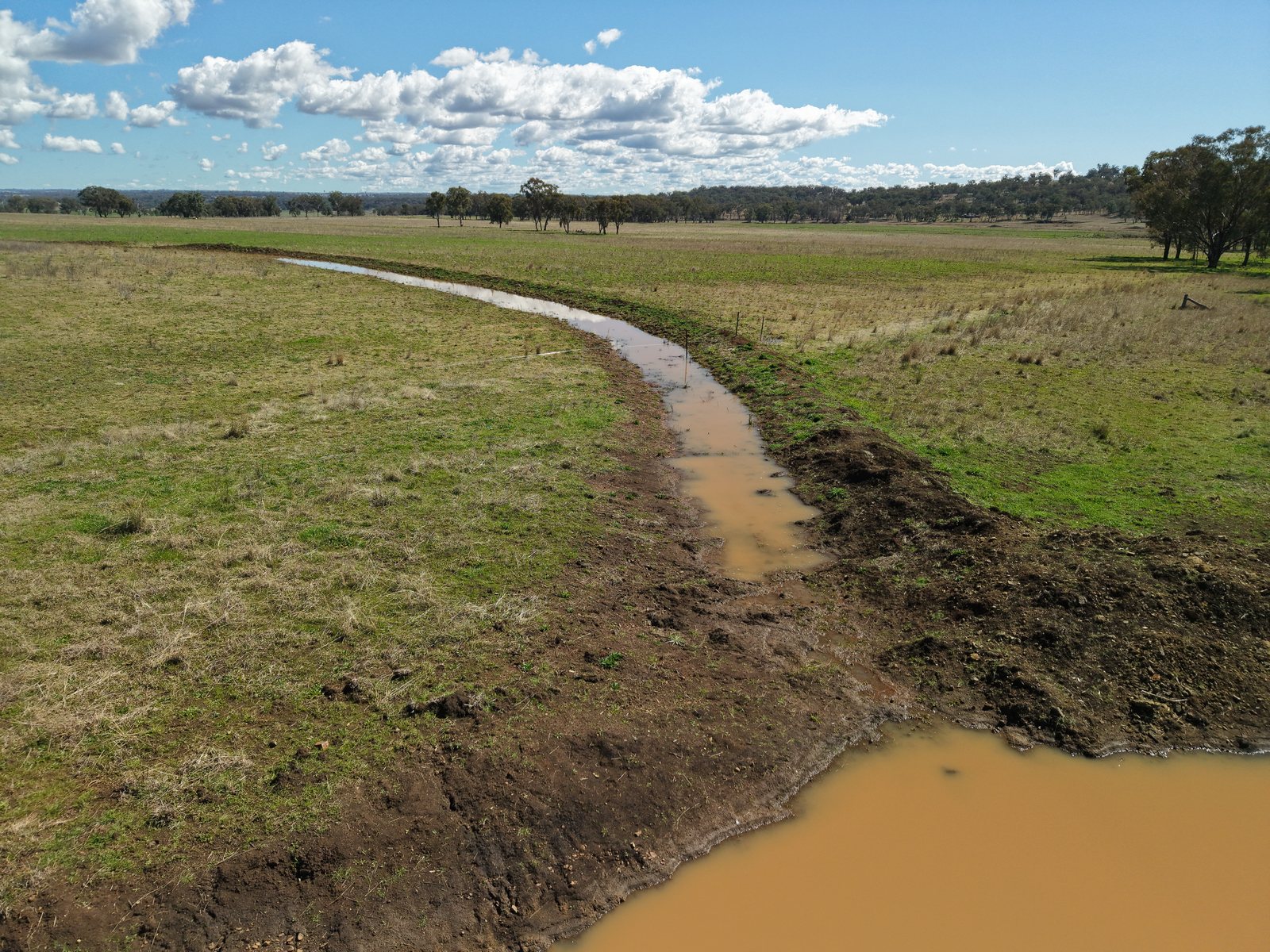
Earlier cropping infrastructure included contour drainage banks designed to move water off the land. Working with Natural Sequence Farming practitioners, Arrawatta has been modifying sections into chains of ponds, alongside rock and contour works in selected water-flow areas.
The intention is to slow and spread the flow, hold water longer and allow more time for infiltration.
Some treated areas have been among the first to green after rain and the last to dry out.
05 / Restoring former cropping paddocks
Working on the soil.
Growing the next feed.
Some of the hardest work lies in country with a long history of cropping.
Soil tests, compaction readings, microbiome assessments, infiltration observations and root inspections point to structural and biological problems in parts of this country. Roots appear to be improving in places, but establishment remains difficult and dry spells often shorten the growing opportunity.
Short, purposeful cattle grazes help remove or suppress existing biomass before multispecies forage mixtures are direct-drilled when moisture allows. Seed receives biological treatments. Organic-based fertilisers, plant-sap testing and humates form part of the programme, and selective deep ripping has begun in compacted areas of heavy black clay.
The aim is to grow more of Arrawatta’s own forage for silage in future dry periods, while improving the old cropping soils enough to establish resilient perennial pastures.
Work in progress · October 2026The silage system is still being developed. Dry conditions have so far restricted progress.
06 / Signs of life
The changes
you notice every day.
Some of the changes Susan values most are found by spending time on the country.
She notices more spiders and other insects, dung beetles working through manure within days, a wider range of plants and native species she had seldom seen before.
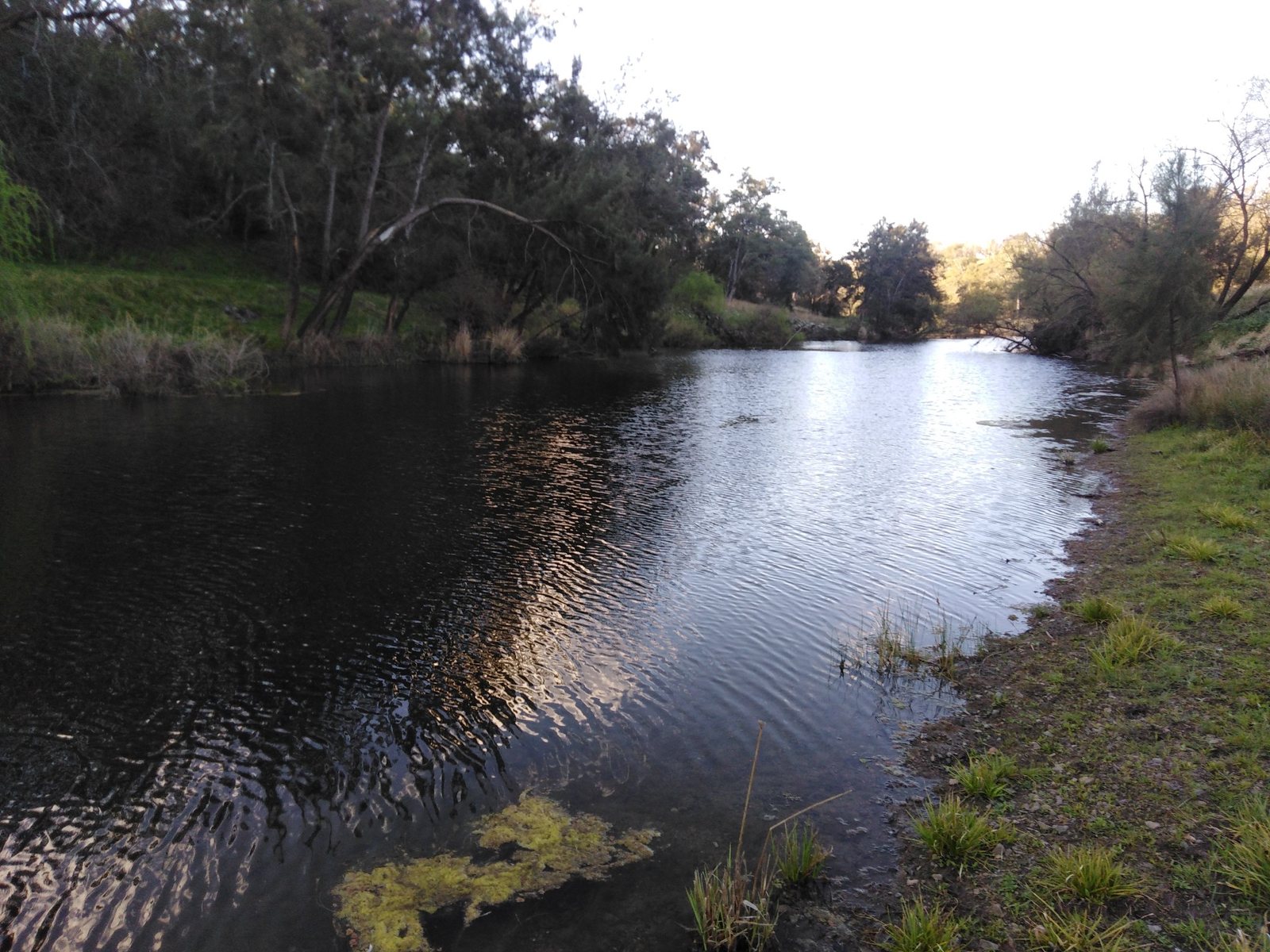
Along the Macintyre, Susan watches changing birdlife. Black swans come to this part of the river to nest and raise their young. Older trees matter too: even as they decline, they remain part of the habitat around them.
The cattle depend on the forage. The forage depends on the plants and soils. Caring for the country and producing cattle are part of the same work.

About the country
The approximate area, land cover and soil mapping come from the Digital Agriculture Services property report of 18 January 2025, covering Arrawatta and Coomerang together. Mapping describes soil types rather than their current condition.
The changes in pasture and wildlife described here are observations on the ground, rather than measured environmental outcomes.
Read about the water work in The Hendry’s at Arrawatta Station (opens in a new tab), by Hamish Andrews of Tarwyn Park Training, 2 February 2026.